




China Schedules Briefing on Recyclable Resource Collection
China's State Council Information Office is scheduled to hold a press conference at 3 p.m. on November 17, 2026, on further developing the country's recyclable resource collection system. Assistant Minister of Commerce Yuan Xiaoming and representatives from the Ministry of Ecology and Environment, the Ministry of Housing and Urban-Rural Development, and the All China Federation of Supply and Marketing Cooperatives will introduce the subject and answer questions from reporters.
The briefing will focus on efforts to improve the collection system as part of a broader approach to the circular use of discarded materials. For businesses involved in recovering and processing materials such as waste plastics and scrap metal, its immediate significance lies in the prospect of more detail about policy direction. The scheduled event does not, by itself, establish new requirements or changes in market demand.
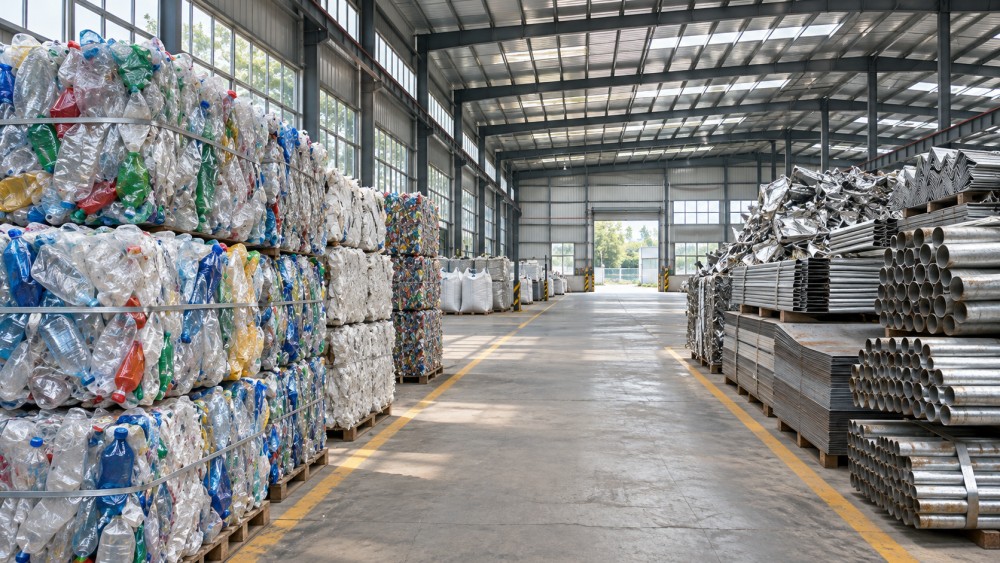
What the briefing could clarify
Collection is the point at which discarded materials enter the recycling chain. How that system is organized can affect the quantity, consistency and suitability of material available for subsequent processing. The participation of officials responsible for commerce, ecology and environment, housing and urban-rural development, and supply and marketing cooperatives makes the briefing relevant to readers following several connected parts of that chain.
One question is how the participating authorities describe their respective roles in advancing the collection system. Their remarks may also clarify whether the discussion concerns collection networks, the movement of recovered materials to processing, or coordination among the organizations involved. The announcement does not specify measures in these areas, so their scope and practical consequences will depend on what is presented at the briefing.
Where the industry may feel an effect
For waste plastic and scrap metal recyclers, the connection between collection and processing is a practical one: changes to how materials are gathered or directed could affect the feedstock available to a processing operation. Any effect would depend on the measures discussed and how they are carried out. The announcement alone does not indicate a change in material supply, quality or prices.
Suppliers of recycling and processing equipment have a related but distinct interest. If future measures lead to changes in collection volumes or the way recovered materials are prepared for processing, operators could reassess equipment needs. That is a possible path from policy to purchasing decisions, not evidence that orders or investment will increase. Equipment demand would also depend on the substance and implementation of any measures described.
In the near term, the most useful information is likely to be the officials' explanation and their answers to reporters' questions. Readers can look for the specific activities covered, how responsibilities are described and whether any implementation arrangements are presented. Longer-term effects on recovery operations and equipment purchasing will depend on the details of subsequent measures and how they influence the flow of materials through the recycling chain.
Related News
- 00
0000-00
Asian Recycling Supply Chain Gaps Put EU Market Access at Risk - 00
0000-00
How to measure material efficiency in European manufacturing - 00
0000-00
China Schedules Briefing on Recyclable Resource Collection - 00
0000-00
How to evaluate a blow molding equipment manufacturer's service support - 00
0000-00
How do resin prices shape the injection molding price trend?
Tag