




Vietnam Launches Sunset Review on Chinese H-Beams
On 19 June 2026, Vietnam’s Ministry of Industry and Trade opened a second anti-dumping sunset review on H-beams imported from China under HS code 7216.33.11 and related tariff lines. The review matters for steel structure builders, bridge projects, machinery base applications, exporters, distributors, and EPC contractors because the current 22.09% to 33.51% duty may be extended through September 2027 if the ruling is maintained.
What the review covers and what is already confirmed
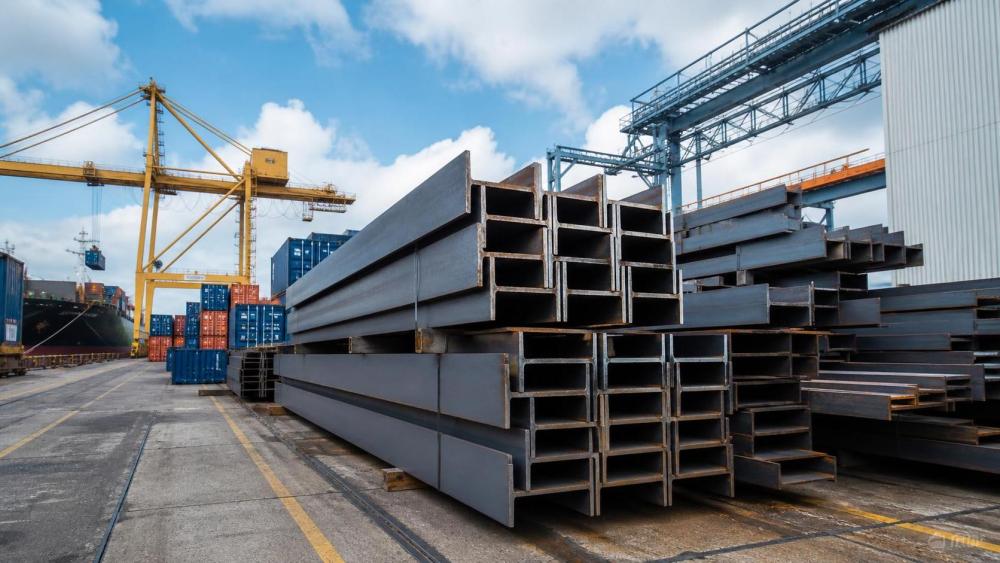
The case concerns H-beams imported from China into Vietnam. The official action was launched on 19 June 2026 as a second sunset review. According to the information provided, the product is widely used in steel structures, bridges, and machinery equipment foundations. If the present ruling is upheld, the existing anti-dumping duty range of 22.09% to 33.51% would remain in force until September 2027.
Where the pressure is likely to appear in the supply chain
Exporters and traders will need to recheck landed-cost assumptions
For Chinese exporters and direct trade companies, the key issue is not only the duty rate itself but how it reshapes quotation, margin, and delivery planning. Analysis suggests that any continuation of the measure would keep imported H-beams less competitive in Vietnam-sensitive projects, especially where bids were built on a lower tariff assumption. That can affect contract pricing, delivery commitments, and the structure of export documentation.
Project buyers may face a narrower sourcing window
For steel structure contractors, bridge suppliers, and machinery integrators, the review may increase attention on local sourcing or alternative materials. At this stage, it is more appropriate to treat this as a procurement and compliance signal rather than a confirmed shift in market practice. Buyers may need to compare supplier origin, tariff exposure, and project-specific acceptance requirements before locking in material plans.
EPC and distribution channels may need to revisit compliance files
Distributors and EPC contractors involved in Southeast Asian infrastructure delivery should pay closer attention to origin declarations, customs classification, and contract clauses tied to tariff changes. If the duty remains in place, the practical impact will likely show up in cost breakdowns, delivery scheduling, and supplier qualification review, rather than only at the customs clearance stage.
What companies should check now
Confirm tariff exposure against the relevant HS lines
Companies handling H-beams should verify whether their products fall within the cited tariff codes and whether their current commercial terms already reflect the existing duty burden. For cross-border sales, this includes checking invoices, packing documents, origin records, and customs filings before shipment.
Review bid documents and procurement assumptions
Project owners and buyers should examine whether pending bids, framework agreements, or supply forecasts rely on a tariff outcome that may change. The review does not itself change the duty today, but it is a clear reason to stress-test pricing, substitution plans, and delivery timing.
Prepare alternative sourcing and substitution scenarios
Where projects can technically accept alternatives, firms may need to evaluate local procurement, different section sizes, or substitute materials. The input does not confirm which options are viable in each case, so this should be treated as a verification task rather than a preset response.
How to read the current signal
From an industry perspective, this is best understood as an active trade-remedy signal with direct commercial consequences, not a general policy announcement. The review indicates that the existing anti-dumping framework is still under scrutiny, and the main variable now is the final administrative outcome and its timing. What matters most next is whether the authorities keep the current duty structure in place and how clearly they define the scope of affected products.
What deserves closer attention is the execution layer: classification practice, customs handling, and how buyers adapt their sourcing decisions once the review proceeds. For many firms, the immediate effect is analytical rather than operational, but the commercial planning consequences can arrive early.
What this means for market participants
This development should be treated as a live trade-rule event with concrete implications for cost, sourcing, and project execution. It does not yet prove that procurement patterns will shift, but it does justify a fresh review of compliance files, pricing models, and supplier strategies. For firms selling H-beams into Vietnam-linked projects, the prudent approach is to assume the duty remains a material variable until the review result is clear.
Source basis and follow-up points
This article is based on the user-provided headline, event date, and summary. No specific official source link was provided in the input. For this type of trade-remedy matter, relevant source categories typically include official government notices, trade authority releases, customs and trade administration updates, and related industry reporting. Further verification should focus on the detailed review scope, implementation wording, customs practice, and any market feedback from exporters, distributors, and EPC buyers.
Related News
- 00
0000-00
When does a data-driven intelligence platform improve production decisions? - 00
0000-00
What throughput range should lab extrusion equipment deliver? - 00
0000-00
How recycled plastics materials affect consistency in injection molding - 00
0000-00
How throughput targets affect plastic compounding line selection - 00
0000-00
Which uptime factors matter most when selecting an automatic tire curing press?
Tag