



Rubber Powder Crusher Grinder Guide: Mesh, Output and Power
A rubber powder crusher grinder is a practical machine, but it is easy to buy the wrong one if the buyer only asks for output and price. Rubber grinding depends on feed size, material type, required mesh, cutter condition, screen design, cooling, power, dust control and downstream collection. A machine that works well for coarse crumb may not be suitable for fine rubber powder. A machine that gives good output on clean tire crumb may struggle with mixed waste rubber, fiber, steel residue or sticky compound.
International buyers may search with different terms, including rubber powder crusher, rubber crumb grinder, pulverizer, mill, granulator or the Russian phrase измельчитель для резиновой крошки. These terms often point to related equipment, but they do not always describe the same process. Some machines reduce tire blocks to granules. Others refine crumb into powder. Some are used as a final grinder after wire removal and granulation, while others are only one stage in a larger recycling line.
This guide explains how to evaluate mesh size, output, motor power and used-machine condition before selecting a rubber powder crusher grinder. It is written for buyers who need realistic procurement questions rather than broad sales claims.
Define the Material Before Defining the Machine
The first selection factor is the feed material. Rubber from truck tires, passenger tires, conveyor belts, shoe soles, EPDM waste, reclaimed rubber and mixed industrial scrap can behave differently. The buyer should define feed size, rubber hardness, contamination level, moisture, fiber content, steel residue and temperature sensitivity before comparing machines.
For tire recycling, the crusher or grinder is usually not the first machine. The feed may pass through shredding, bead wire removal, rough crushing, granulation, magnetic separation and fiber separation before fine grinding. If the upstream system leaves too much steel or fiber, the grinder may wear quickly or produce unstable output. If the feed size is too large, the machine may overload or require more passes.
A buyer should ask the seller which feed condition was used when output was measured. A quoted capacity based on clean, uniform rubber granules may not apply to dirty or mixed feed. This is one reason used-machine inspection must include both mechanical condition and process fit.
Mesh Size Changes Everything
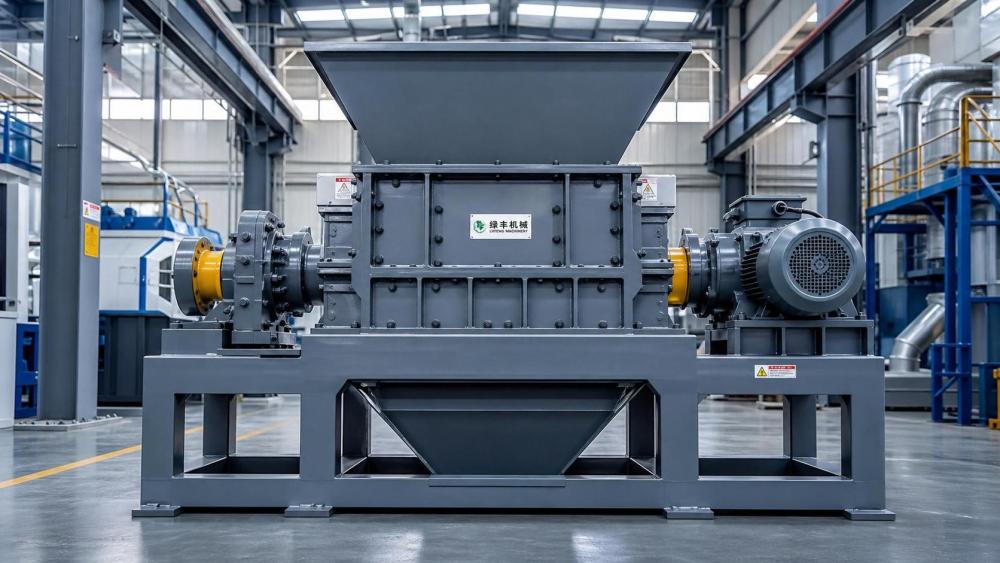
Mesh size is one of the most important buying variables. Coarser rubber crumb is easier to produce and usually supports higher output. Finer rubber powder requires more energy, more precise cutting or milling, better cooling and better screening. The machine may also need sharper knives, tighter gap control and more frequent maintenance.
Buyers should avoid comparing output numbers without mesh size. A machine may produce a strong hourly output at coarse particle size but far less at fine mesh. The target market matters as well. Rubber flooring, molded products, asphalt modification, reclaimed rubber, sports surfaces and industrial filler may each require different particle ranges and cleanliness.
If the buyer needs several mesh grades, the machine should be evaluated for screen change, cutter access, temperature management and collection system flexibility. A setup designed for one particle range may become inefficient when forced to cover too many grades.
Mesh, Output and Power Review Table
Power Consumption Should Be Reviewed as a System
Buyers often look at the main motor rating, but rubber powder production uses power across the complete system. Conveyors, fans, separators, cooling equipment, dust collectors and control systems also consume energy. If the line needs multiple passes to reach the required mesh, the real power cost per usable ton may increase sharply.
A high motor rating is not automatically a problem. It may be necessary for stable grinding, especially when the feed is tough or the target particle size is fine. The better question is whether the machine uses power efficiently for the intended material. Ask for output conditions, feed specification and target mesh when reviewing motor size.
Power also relates to installation. The buyer should confirm voltage, frequency, cabinet condition, cable requirements, starting method and local electrical compliance. Used machines may need rewiring, new controls or safety updates before operation.
Used Machine Inspection Points
A used rubber crusher or grinder should be inspected beyond exterior paint. Wear parts are the heart of the machine. Knives, grinding discs, screens, liners, bearings and shafts should be reviewed carefully. If the machine has processed abrasive or contaminated feed, wear may be higher than expected. If it has been stored for a long time, bearings, seals and electrical parts may need attention.
Ask whether the machine can be operated before shipment. A no-load test can show motor rotation, bearing noise and basic control response. A material test is better because it shows feeding behavior, heat build-up, discharge, dust control and output quality. If a material test is not possible, request detailed photos and videos of the grinding chamber, cutter area, screen, fan, cyclone and electrical cabinet.
For buyers comparing the keyword измельчитель для резиновой крошки across suppliers, the machine name should not replace inspection. Confirm whether the offered equipment is a coarse crusher, fine grinder, pulverizer or a complete powder line. These are different scopes with different cost and performance expectations.
Dust, Safety and Maintenance
Rubber powder processing can produce dust and fine particles. Dust collection is not a decorative accessory; it is part of stable operation and workplace safety. Buyers should inspect fans, ducts, cyclone separators, filter bags, seals and discharge points. Poor dust control can reduce yield, contaminate the work area and make maintenance more difficult.
Maintenance access also matters. Knives and screens need inspection and replacement. Bearings may need lubrication. Fans and ducts need cleaning. If a machine is difficult to open or lacks proper access, downtime rises. A buyer should ask how long it takes to change screens, sharpen or replace knives, clean the collection system and restart production.
Safety checks should include guards, emergency stops, lockout points, overload protection and electrical cabinet condition. Older used machines may need safety upgrades before they can be installed in a new plant. Those upgrades should be budgeted before purchase.
How to Compare Supplier Offers
When comparing offers, ask each seller to describe the same basic items: feed size, target mesh, expected output, main and auxiliary power, cooling method, dust collection, included spare parts, test status, machine dimensions, weight and packing method. If one offer includes a grinder only and another includes fan, cyclone, collector, screens and control cabinet, the prices cannot be compared directly.
A useful product reference for mesh, output and power discussion is available here: view used machinery details. Buyers can use that type of parameter structure to prepare questions for any supplier, then verify whether the offered used machine matches the intended rubber material and powder grade.
The best seller is not always the one with the shortest delivery promise. For used equipment, evidence matters: test videos, close-up inspection photos, spare-part lists, control cabinet photos, packing plan and clear commercial terms. If the seller cannot define included and excluded items, the buyer should treat the offer as higher risk.
Procurement Checklist
- Define feed material, feed size, contamination level and target mesh before requesting price.
- Ask whether the machine is a coarse crusher, fine grinder, pulverizer or complete powder line.
- Compare output only when mesh size and feed condition are the same.
- Review total system power, not only the main motor rating.
- Inspect wear parts, bearings, screens, fans, cyclone, dust collector and electrical cabinet.
- Request a material test or detailed operation video when possible.
- Confirm spare knives, screens and common wear parts availability.
- Separate machine price from refurbishment, packing, freight, installation and safety upgrade cost.
FAQ
What mesh size should a rubber powder grinder produce?
The correct mesh size depends on the final use. Rubber flooring, molded products, modified asphalt, reclaimed rubber and industrial filler may require different particle ranges. Define the application before choosing the machine.
Why does output drop when mesh becomes finer?
Fine powder needs more cutting or milling energy, better cooling and more screening. The machine may need slower feeding or multiple passes to reach the required particle size, so usable output can decrease.
Can one machine handle all rubber waste?
Usually no. Different rubber sources have different hardness, contamination, fiber content and feed size. A machine selected for clean tire crumb may not perform the same way on mixed industrial rubber waste.
What does измельчитель для резиновой крошки usually mean?
It generally refers to a grinder or crusher for rubber crumb, but buyers should confirm the exact equipment type, feed size, target mesh and included auxiliary systems before purchasing.
Final Buying Advice
A rubber powder crusher grinder should be selected by process conditions, not by machine name alone. Feed material, mesh size, output target, power, cooling, dust collection and wear-part condition all affect whether the equipment will work in daily production. For used machines, inspection quality and clear scope are just as important as price.
Buyers who prepare detailed questions before negotiation usually make better decisions. Define the material, request evidence, compare complete system scope and budget for wear parts and installation. That discipline reduces surprises after shipment and helps the machine become useful production equipment rather than an unfinished repair project.
Editorial Review Note
This article is buyer-facing guidance for rubber powder crusher and grinder procurement. It avoids fabricated prices, unsupported performance claims and invented case numbers.
Related News
- 00
0000-00
Plastic Injection for Electronics: Key Design Rules to Reduce Defects - 00
0000-00
Energy Efficient Tire Production: Where Plants Gain the Most Savings - 00
0000-00
Die Casting for Heat Sinks: When Cold Chamber Delivers Better Results - 00
0000-00
Predictive Maintenance Reliability: What Metrics Actually Matter? - 00
0000-00
Manufacturing Solution Comparison: Cost, Throughput, and Scalability
Tag